Understanding IPTV vs Satellite TV in Canada
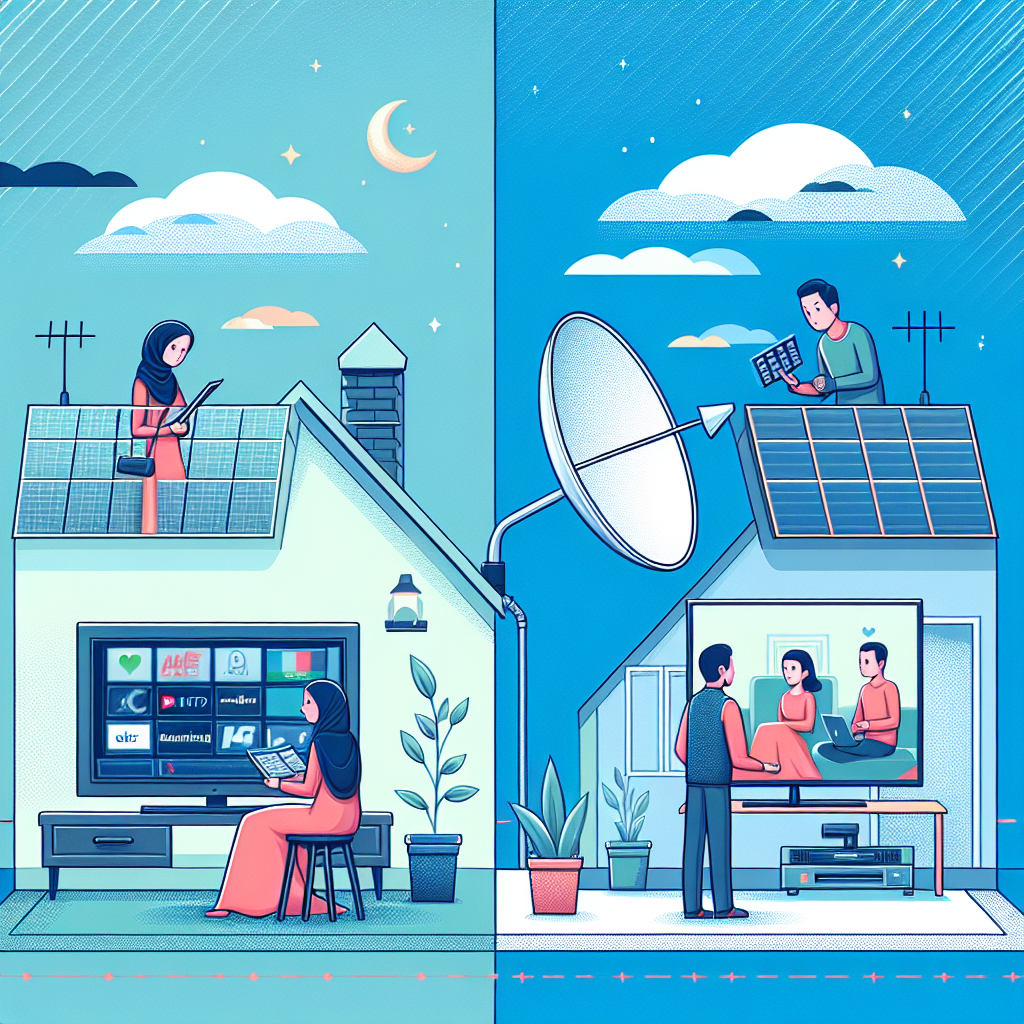
The debate around IPTV vs Satellite TV continues to grow as Canadian viewers look for better ways to watch live channels, movies, and sports. Both technologies deliver television content, but the method, flexibility, and overall experience are very different. This guide breaks down everything you need to know so you can confidently choose the right option for your home in 2025.
If you want a simple comparison with real-world examples, technical explanations, and practical recommendations, you’re in the right place. By the end, the differences between IPTV and satellite TV will feel crystal clear.
What Is IPTV?
IPTV stands for Internet Protocol Television. Instead of using satellite signals or traditional coaxial cables, IPTV streams content through your internet connection. This allows for highly flexible viewing, on-demand features, and compatibility with many modern devices.
How IPTV Works
When you watch IPTV, the content is delivered over your home internet through a secure streaming protocol. The video is encoded, transmitted, and decoded in real time, similar to how platforms like YouTube or Netflix deliver media.
You simply open an IPTV app or use an IPTV box, log into your service, and start streaming live channels and on‑demand content.
Devices Compatible With IPTV
One of the biggest advantages of IPTV is its compatibility with almost every device Canadians already own. Common devices include:
- Smart TVs (Samsung, LG, Android TV)
- Android TV Boxes
- Firestick or Fire TV devices
- iPhone, iPad, and Android smartphones
- Windows or Mac computers
- MAG boxes and dedicated IPTV receivers
If you’re considering an upgrade, you can check guides like the list of the best devices for IPTV in 2025 to ensure smooth streaming.
What Is Satellite TV?
Satellite TV relies on a physical dish installed on your home. This dish receives broadcast signals from orbiting satellites owned by providers like Bell and Shaw Direct. The signal travels from the satellite to the dish and then through cables to your television box.
How Satellite TV Works
The process is more rigid than IPTV. The dish must be pointed toward the correct satellite angle, and weather conditions can significantly impact signal quality. The content you receive depends on the package you subscribe to, and additional channels usually cost more.
Devices Required for Satellite TV
To watch satellite TV in Canada, you need specific hardware:
- A mounted satellite dish
- A receiver box provided by your satellite provider
- Coaxial cabling to connect the system
- Installation arranged by a technician
IPTV vs Satellite TV: Key Differences
Choosing between IPTV and satellite TV depends on what kind of viewing experience you want. Here are the biggest factors to consider when comparing IPTV vs satellite TV.
1. Installation Process
IPTV requires no dish, no technician installation, and no holes drilled in your home. You just install an app or plug in a compatible box.
Satellite TV, by contrast, requires professional installation. The dish must be placed in a location with a clear line of sight, which sometimes limits placement options, particularly for condo and apartment residents.
2. Channel Selection and Content Variety
Both IPTV and satellite TV offer a wide selection of channels, including sports, news, family, entertainment, and international programming. However, IPTV has the advantage of offering more global content due to its internet‑based nature.
Some IPTV providers also offer specialized packages such as sports-only or movie-focused options, and many include VOD libraries resembling streaming platforms.
3. Weather Resistance
One of the biggest drawbacks of satellite TV is the risk of outages during storms, heavy rain, snow buildup, or strong winds. Canadians who live in regions with harsh winters often face interruptions.
IPTV does not rely on weather‑sensitive equipment. As long as your internet connection is stable, the stream remains uninterrupted. If you’re dealing with buffering issues, resources like this IPTV buffering guide can help optimize your setup.
4. Flexibility and Portability
With IPTV, you can watch your channels from any device, anywhere—at home, at the office, or while traveling within Canada. Many services support multi‑screen viewing so households can watch different content simultaneously.
Satellite TV is tied to the physical location of your dish. You cannot take it with you or share the subscription between multiple locations.
5. Cost Differences
Satellite TV subscriptions remain more expensive on average because they include equipment rental fees, installation fees, and higher monthly package prices.
IPTV is generally more affordable, especially for families, sports fans, and viewers who enjoy international channels. The cost depends on the provider, features, and VOD options. IPTV also avoids the hardware rental fees associated with satellite services.
6. Internet Dependence
The only major requirement for IPTV is a stable internet connection. If your internet is slow or unreliable, IPTV performance may suffer. Canadians living in rural areas might prefer satellite TV for this reason.
For the best results, choose a high‑quality connection. You can read about the best internet providers in Canada for IPTV to ensure smoother streaming.
IPTV vs Satellite TV: Comparison Table
| Feature | IPTV | Satellite TV |
|---|---|---|
| Installation | No hardware required | Requires dish + technician |
| Weather Sensitivity | Not affected by weather | Signal drops in storms |
| Content Variety | Extensive, global channels | Mostly regional packages |
| Monthly Cost | Typically lower | Higher (equipment fees) |
| Portability | Can watch anywhere | Fixed to home location |
| Device Options | Phones, TVs, tablets | Satellite receiver only |
| Reliability | Depends on internet | Weather‑dependent |
Advantages of IPTV
Canadians choosing IPTV will enjoy several clear advantages. Here are the main benefits that make it a popular alternative to satellite TV.
More Content for Less Money
IPTV offers extensive channel lists, often including premium sports, movies, and international networks. This level of content typically costs far more through traditional satellite providers.
On‑Demand Flexibility
Many IPTV services include VOD libraries containing movies, series, and replays. You get a hybrid experience that blends live TV with modern streaming convenience.
Easy multi‑screen access
Most IPTV plans support multiple devices, allowing your family to watch different channels at the same time without additional hardware fees.
No Equipment or Contracts
You can cancel or change IPTV services at any time because there is no physical equipment tying you down. No technician visits, no installation costs, and no lengthy commitments.
Advantages of Satellite TV
While IPTV continues to rise in popularity, satellite TV still has strengths depending on your location and viewing habits.
Ideal for Rural Areas
Many rural Canadian communities lack access to high‑speed internet. In these regions, satellite TV remains the most reliable way to receive consistent television service.
Stable Quality When Weather Is Clear
When environmental conditions are stable, satellite TV can offer excellent picture quality with minimal signal compression.
Simple User Experience
Some subscribers prefer the simplicity of traditional TV boxes. The interface remains familiar, and there is no need to maintain apps or streaming devices.
Which Is Better for Sports Fans?
Sports lovers often ask whether IPTV or satellite TV offers better coverage. IPTV tends to include more international sports, additional league packages, and 24/7 sports channels. It also frequently offers catch‑up options so you never miss a major game.
Satellite TV includes mainstream Canadian sports networks but usually charges extra for premium packages. If watching global sports is important to you, IPTV provides the broader selection.
Which Is Better for Families?
For families, IPTV offers multi‑screen features, kids’ channels, educational networks, and devices that fit every family member’s needs. You can watch on phones, tablets, laptops, and smart TVs simultaneously.
Satellite TV is more restrictive because the service is tied to one location and usually one or two receiver boxes.
Which Is Better for International Viewers?
If your household enjoys international content—such as French, Arabic, Spanish, Portuguese, Indian, or African channels—IPTV delivers a much wider range. Satellite TV providers in Canada offer limited international packages, and adding them usually increases your bill.
Internet Requirements for IPTV
To enjoy IPTV at its best, your internet connection must be stable. The good news is that IPTV does not require extremely high speeds. Recommendations include:
- 10 Mbps for one HD stream
- 20 Mbps for two simultaneous streams
- 50+ Mbps for 4K content and multiple devices
Modern Canadian internet plans typically meet or exceed these levels. If you’re unsure, choose a provider known for stable service to avoid interruptions.
Satellite TV Requirements
In contrast, satellite TV requires:
- A properly mounted dish
- Cables routed through your home
- A receiver box connected to your television
- Clear visibility toward the broadcast satellite
If your location is heavily shaded or blocked by tall buildings, you may experience difficulty maintaining a stable satellite signal.
Choosing Between IPTV vs Satellite TV
When deciding between IPTV and satellite TV, consider your household needs, internet connection quality, and budget. Here’s a simple decision guide:
- If you want maximum flexibility and lower monthly costs: Choose IPTV.
- If you live in a rural area with slow internet: Choose satellite TV.
- If you want extensive international content: IPTV is the best choice.
- If you want a quick, no‑installation solution: IPTV wins easily.
- If weather reliability concerns you: IPTV offers more stability.
Setting Up IPTV in Canada
Setting up IPTV is easier than most people expect. You only need three things:
- A stable internet connection
- A compatible device (such as a smart TV or streaming box)
- An IPTV subscription
To get the best performance, choose an optimized device. For example, many Canadians prefer Android TV boxes or Firestick devices for IPTV apps. You can explore guides like the best Android TV boxes for IPTV if you’re unsure which device to choose.
Is IPTV Legal in Canada?
IPTV technology is legal in Canada. What matters is whether the service you use is licensed to distribute the content it provides. Always choose reputable providers and ensure your setup respects Canadian regulations.
Installing or using IPTV apps on your devices is completely legal. The legality comes down to content distribution rights, not the technology itself.
Future Trends: IPTV vs Satellite TV in 2025 and Beyond
As Canadian internet speeds continue to improve, IPTV adoption is expected to grow significantly. More households are moving away from satellite installations due to cost, convenience, and modern viewing habits.
Streaming‑first lifestyles, smart homes, and portable entertainment make IPTV the more future‑proof choice. Satellite TV still has its place in rural communities, but its market share is declining nationally.
Final Verdict: Choosing the Best Option for Your Home
In the long debate surrounding IPTV vs Satellite TV, the clear winner for most Canadians is IPTV. It offers more flexibility, lower costs, easier setup, and broader content choices. Satellite TV remains useful for rural areas, but modern households increasingly prefer IPTV’s convenience and performance.
If you’re ready to upgrade your viewing experience, choosing the right device and internet provider will help you get the most from IPTV. And now that you understand the complete comparison of IPTV vs satellite TV, you can make the best choice for your home in 2025 and beyond.